There are escapes that don’t need too many explanations, and San Antonio de Areco is definitely one of them. Just 113 kilometers from the city of Buenos Aires, this town founded on October 23, 1730 preserves something that the rest of the province rarely manages to replicate, and that is that genuine connection to the rural past without falling into a mere thematic setting.
For those looking for a day of camping with high standards, this destination offers endless options, both in terms of accommodation and gastronomic offerings, that make every second of this trip worthwhile. The best part is that you don’t need to be an expert in gaucho tradition to enjoy the experience.
That is why in this article we will explore the best places to get out of the capital’s routine. You will learn about the stays featured in international guides as well as the jewelry workshops that maintain 19th-century techniques. So take note and plan a memorable day filled with tradition, good food, and more.
The village that time did not alter
Areco was declared National Capital of Tradition in 2015 by Law 27105, a title that recognizes centuries of gaucho identity forged on the banks of the Areco River.
Its historic center can be explored in less than an hour, but the charm lies in stopping to enjoy the details; as is the case with the Old Bridge, which was built in 1857 by a commission of neighbors and for decades was the only crossing between the two banks of the river and serves as the most photogenic space in the village.
Also located here is Plaza Ruiz de Arellano, where the largest concentration of shops selling handicrafts, cozy cafes, and the Parish of San Antonio de Padua take place, which attests to the origins of the town.
That is why those who visit it for the first time discover that this corner achieved the perfect balance between genuine beauty and functionality. Gaucho tradition and luxurious accommodations capable of providing a comfortable and sophisticated service that is difficult to find elsewhere in the country.
Stays where history coexists with comfort
Estancia La Bamba in Areco
Estancia La Bamba in Areco is one of the most exclusive options in the area. Its origins date back to 1830, when it served as a stop on the Camino Real that connected Buenos Aires with Upper Peru.
After a meticulous renovation during 2009, the property is currently part of the prestigious Relais & Châteaux chain. In fact, the The history and comfort of La Bamba's countryside It is said that its rooms are decorated in a cozy/elegant style that combines leather, wood, and wool details; not to mention that in the evenings the atmosphere is elevated with local polo matches taking place in its vicinity.
Estancia El Ombú in Areco
La Estancia El Ombú in Areco is another of the town's most solid alternatives. Its imposing main building was built in 1880 by General Pablo Riccheri and, since 1993, the family that owns it has opened its doors to tourism.
The space is surrounded by three hundred hectares dedicated to livestock and agriculture; it also has a herd of more than forty horses and two swimming pools with a solarium. The gastronomic proposal for the day includes empanadas, criollo roast with chorizo and pork entrée, a homemade dessert, and a half bottle of wine per person.
Estancia La Porteña
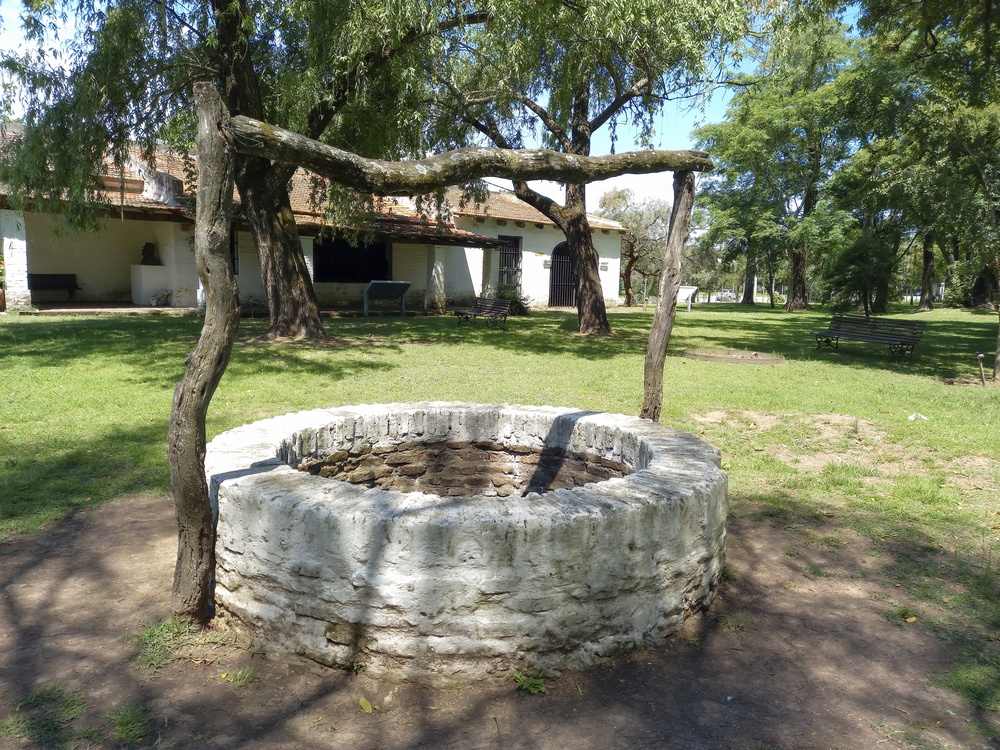
If you are a passionate lover of national literature, you will find that La Porteña Country House will be your favorite place on earth. It was built in the 19th century and declared a National Historical Monument, as it has preserved intact the bedroom of Ricardo Güiraldes. It is clear that this country house and the surrounding countryside were the source of inspiration for the famous novel «Don Segundo Sombra», published in 1926.
And being true to its roots, the place offers guided horseback riding activities and carriage rides.
Asado, parrilla and cuisine with identity
Warehouse of General Ramos
Located in the historic center, the Almacén de Ramos Generales occupies a mansion built in 1850 that belonged to the Castex family. Later, in 2000, Juan María Aldasoro converted it into a restaurant, rescuing the original spirit of a country store with antique furniture, period utensils, and a grill that attracts both neighbors and actors, ambassadors, and even audiovisual producers.
But beyond being one of the The best country-style barbeques near Buenos Aires, His menu includes pasta dishes, winter stews, and a homemade chocolate mousse that replicates a recipe inherited from a chef friend.
The thing about Tito
Lo de Tito is a family restaurant that was founded in 2014 as a tribute to the father of its founder, Julia Magdalena. Interestingly, it doesn't have a grill, but its homemade cuisine has fans who rave about the provoleta, the fried meat empanadas cut with a knife, and the chorizo steak with horse meat; these are enough reasons to come back.
El Mitre
El Mitre is another of the emblematic places that operates from noon to midnight from Wednesday to Sunday, maintaining the warm and unpretentious atmosphere of a classic country bowling alley.
Riding without being an expert
Horseback riding is one of the best ways to connect with the countryside; that is why the accommodations in the area offer activities such as hiking and mountain biking. horseback rides through the pampa for tourists without experience, So that they can get a deeper understanding of what real life is like for a gaucho.
Generally, the horse rides last between one and two hours, with routes that pass through lagoons, woodlands, and fields of grass. For those who have never ridden before, the guide staff is with you from start to finish and are able to choose the perfect horse for you so that you can enjoy nature and feel safe at the same time.
For example, at La Porteña and La Bamba, they offer both horseback and carriage rides. In addition, at La Bamba, you can take polo lessons or simply watch the team practice on the nearby court.
Silver, leather and handicrafts worth the money
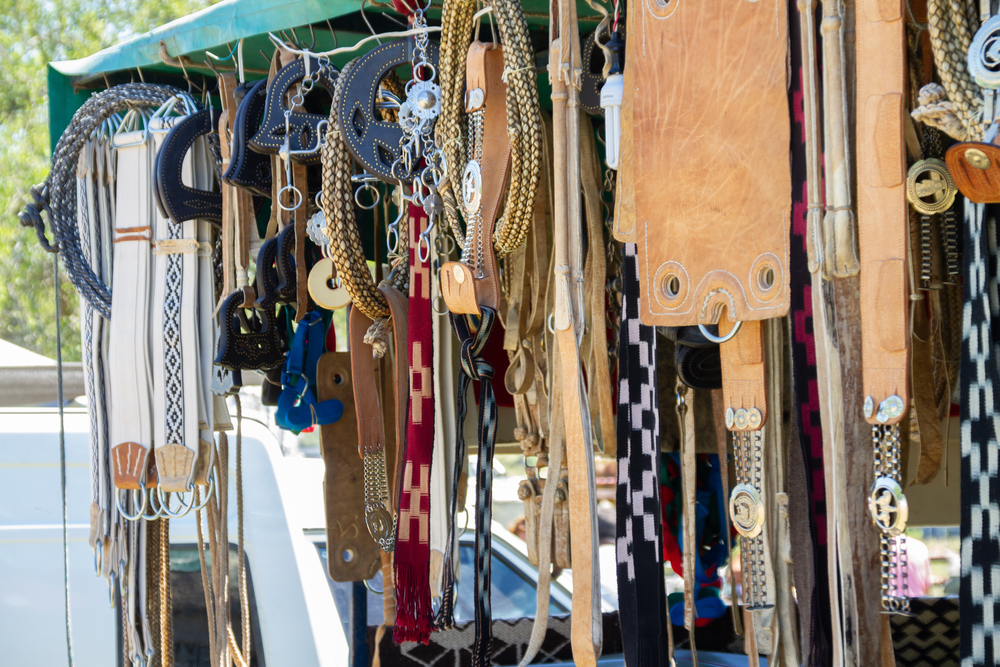
The historic center houses several workshops Silver and leather crafts in San Antonio de Areco which maintain the techniques inherited from generation to generation.
In fact, the Draghi Museum and Goldsmiths Workshop is the place’s ultimate reference point. It was founded by Juan José Draghi in the sixties, exhibiting a private collection that traces the evolution of gaucho jewelry from the 19th century to the present day.
While Sergio Sánchez's workshop has been designing unique pieces for more than three decades, it mainly caters to the local area's customers who order the paraphernalia for their mounts, such as knives, belt buckles and stirrups.
How to organize your day without wasting time
The key to a good day of hiking in San Antonio de Areco is how to organize the logistics for visiting it. From Buenos Aires, the most direct route is to take the RN 8 to kilometer 110 and then turn off onto provincial road 41. The trip takes approximately an hour and a quarter without traffic. Alternatively, you can opt to travel by transport from Retiro, which takes two hours of travel.
Meanwhile, the itinerary can be as follows:
- 09:00 – Sales from Buenos Aires.
- 10:30 – Arrive in the town of Areco. Have a coffee in the center or go straight to the chosen accommodation.
- 11:00 – They welcome you to the stay with empanadas and drinks.
- 11:30 – You take a guided horseback ride or take a carriage ride.
- 13:30 – Lunches with a Creole barbecue, entrée, salads and wine.
- 15:30 – Participate in the Indian dressage show or the folkloric guitar performance, depending on the stay.
- 17:00 – Return to the village to visit the jewelry workshops.
- 18:30 – Have a snack at the center and board the bus back to Buenos Aires.
An important fact to keep in mind is that reservations are usually required for stays, especially on weekends.
Questions that are often asked before going
Can you go and return on the same day?
Of course it is, since Areco is only 113 kilometers from Buenos Aires and the trip can be done in less than 2 hours.
Do I need to know how to ride a bike?
It is not necessary, since the stables have tame horses and the gauchos are always attentive to novice riders.
What is the best time of year?
It is usually best to visit during spring and autumn for the weather. While in summer it can be very hot, however, the accommodations have a pool. On the other hand, during November it is spectacular to attend the Fiesta de la Tradición, but it is necessary to book months in advance.
Can quality handicrafts be purchased?
Of course, especially at the Draghi Museum and in the workshops of the center that offer unique pieces of traditional jewelry.
Does the stay's barbecue include drinks?
Generally, yes. For example, at El Ombú, they include a half bottle of wine per person during lunch and dinner, in addition to non-alcoholic beverages.